
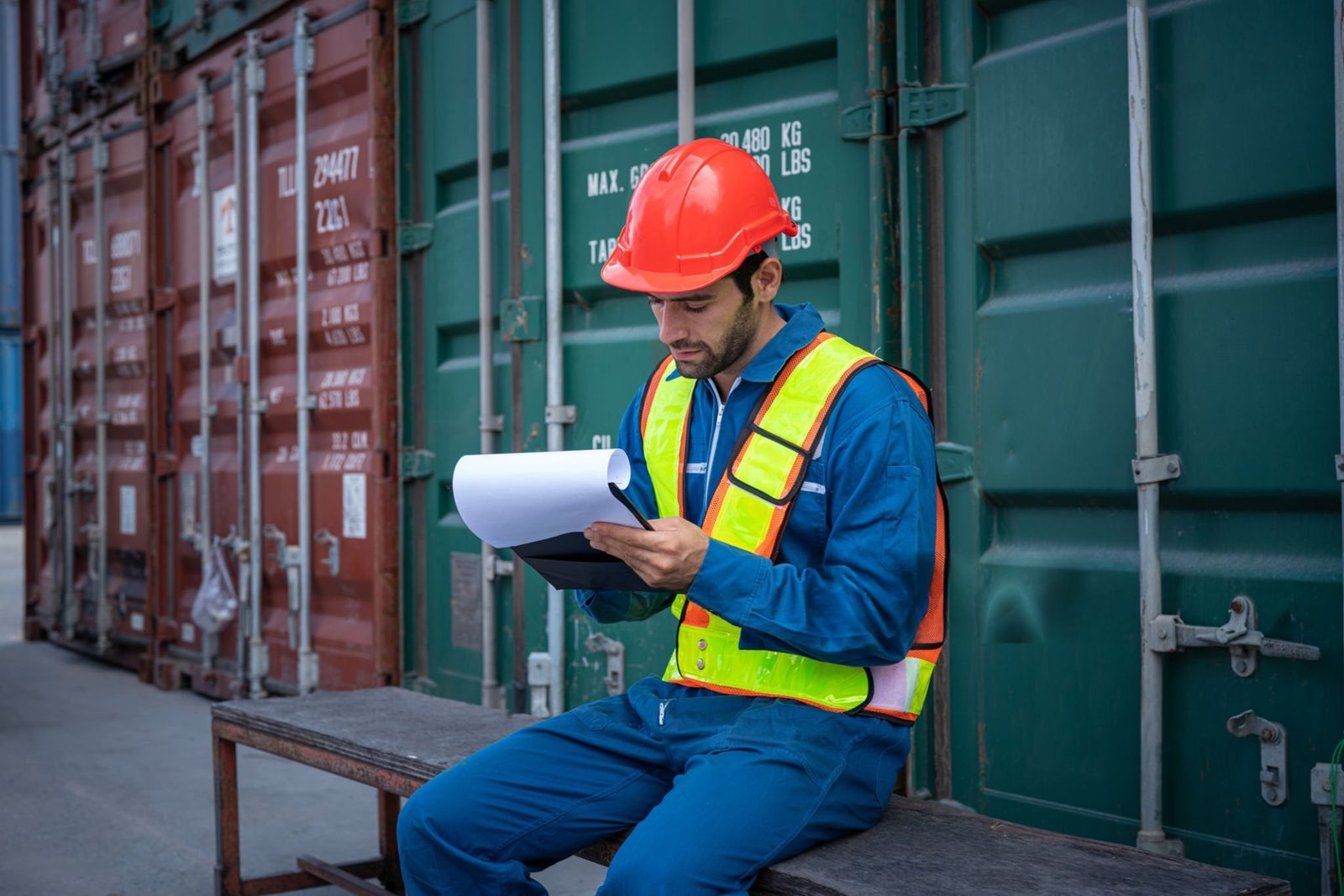
Exporter Mistakes: Common Errors and How to Avoid Them
Most new exporters fail not because the market is difficult, but because of common exporter mistakes that lead to buyer disputes, shipment delays, and financial loss. Understanding these exporter mistakes early helps beginners build a safe and profitable export business.
Exporter Mistakes Related to Product Knowledge

One of the biggest exporter mistakes is starting without proper product understanding. New exporters often ship the wrong grade, moisture level, or packaging type, leading to mismatched expectations and rejected shipments.
How to avoid it:
- Learn product grades and specifications
- Understand country-wise quality requirements
- Compare global quality standards
For real product examples, check how professional exporters list their goods on Mahalaxmi Trade’s product page
Exporter Mistakes in Buyer Verification
Many new exporters trust buyers too quickly and send samples or goods without proper verification. This is one of the costliest exporter mistakes that beginners make.
How to avoid it:
- Verify buyer website and business registration
- Request partial advance
- Ask for trade references
- Conduct a video call
The International Trade Centre provides reliable guidance for verifying global buyers
Packaging Errors That Affect Export Shipments
Weak packaging is one of the most common export errors beginners make. Cheap materials may save a few rupees but lead to moisture damage, pest issues, and container rejections.
How to avoid it:
- Use vacuum-sealed or food-grade packaging
- Choose moisture-proof cartons
- Palletize goods properly
- Seal packages with export-grade materials
Strong packaging protects your shipment AND your reputation.
Quality Control Issues New Exporters Often Face
One major export problem is assuming suppliers will always send perfect-quality goods. Even one poor-quality batch can destroy trust with a long-term buyer.
How to avoid it:
- Inspect goods visually
- Test moisture and weight
- Capture photos and videos before dispatch
- Monitor the loading process live
Buyers expect transparency and consistency in every order.
Documentation Problems That Delay Exporting
Incorrect HS codes, missing certificates, or wrong invoices cause shipments to get stuck at customs. Most delays happen due to documentation issues beginners don’t understand.
How to avoid it:
Learn these essential documents:
- Commercial invoice
- Packing list
- Bill of lading
- Certificate of origin
- Phytosanitary certificate
- FSSAI documents (for food products)
Correct documentation = fast clearance and fewer penalties.
Pricing Errors and Cost Miscalculations in Exporting
New exporters often quote prices without knowing the actual cost structure. Overpricing drives buyers away, and underpricing destroys profits.
How to avoid it:
- Calculate logistics, packing, customs, and charges
- Compare competitor prices
- Understand freight and seasonal variations
- Set margins before quoting
Export pricing should be strategic — not random.
Exporter Mistakes That Happen When Relying on One Buyer
A major export risk is relying on one buyer for all orders. If that buyer stops responding or reduces orders, the entire business collapses.
How to avoid it:
- Maintain multiple buyer leads
- Expand into different countries
- Build long-term buyer relationships
- Keep generating new leads regularly
Successful exporters diversify — rookies depend on luck.
Conclusion — Avoiding These Export Problems Is the Real Shortcut to Success
If new exporters avoid these export problems early, their business becomes safer, faster, and more profitable. Better packaging, verified buyers, correct documentation, and strong product knowledge build long-term global trust.
Many traders depend on Mahalaxmi Trade for export-ready products, reliable quality, and safe packaging for international shipments.


About author





Add comment