
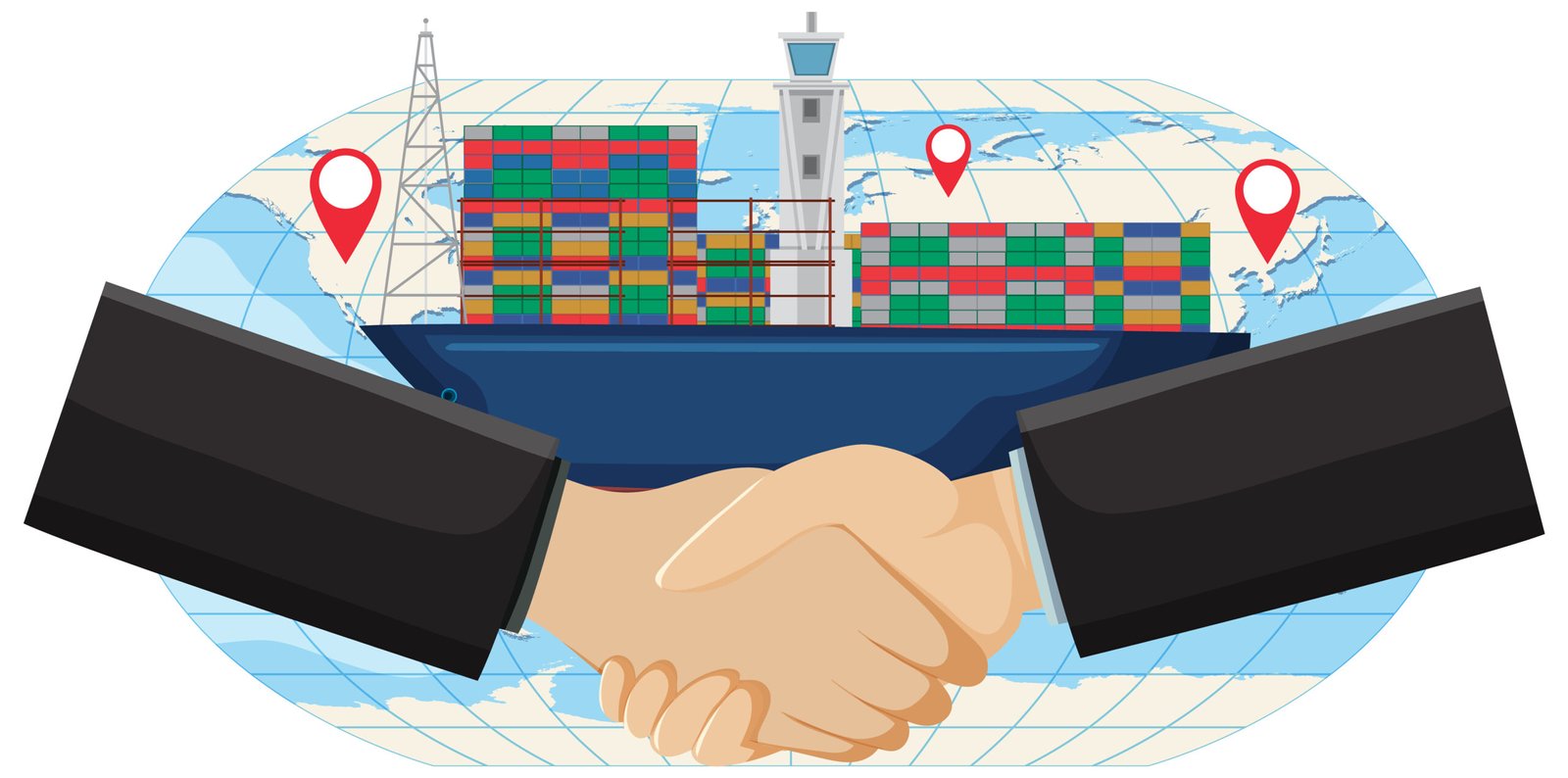
Export Merchant/Merchant Exporter: Key Differences
If you are new to international trade, you might have come across the terms Export Merchant/Merchant Exporter. At first glance, they sound similar, but in reality, they represent two different business models. Understanding the differences between an export merchant and a merchant exporter can help global buyers, manufacturers, and suppliers make smarter decisions when it comes to sourcing products and building long-term trade relationships.
Who is an Export Merchant?
An Export Merchant is basically an independent trader who buys goods from local manufacturers, takes ownership of them, and then resells them to international buyers. In other words, an export merchant works like a wholesaler on the global stage.
Characteristics of Export Merchants:
- They buy and own goods before export.
- Profit comes from mark-ups on the goods they purchase.
- Work independently and usually deal in bulk transactions.
- Manage export documentation and logistics themselves.
This model is best for buyers who want straightforward, bulk deals without much customization.
Who is a Merchant Exporter?
On the other hand, a Merchant Exporter plays a broader role in global trade. A merchant exporter does not manufacture goods but instead sources them from various local suppliers and manufacturers to meet the exact needs of international buyers.
Characteristics of Merchant Exporters:
- Source from multiple suppliers or manufacturers.
- Provide quality checks, packaging, and compliance with import regulations.
- Eligible for government export incentives (especially in India).
- Offer flexible trade services, such as mixed consignments or customized shipments.
A merchant exporter essentially acts as a bridge between local producers and global buyers, making international trade easier and more reliable.
Export Merchant/Merchant Exporter: The Key Differences
Here’s a simple side-by-side comparison of an Export Merchant/Merchant Exporter so the difference is crystal clear:
| Point of Difference | Export Merchant | Merchant Exporter |
|---|---|---|
| Ownership of Goods | Owns goods before reselling abroad. | Sources from suppliers, may not own. |
| Business Model | Acts as a wholesaler. | Acts as a trade partner. |
| Supplier Relationship | Bulk buying, transactional. | Long-term, collaborative partnerships. |
| Buyer Benefits | Limited support—just goods. | Full support—sourcing, compliance, packaging, logistics. |
| Government Benefits | Not usually applicable. | Eligible for incentives in many cases. |
| Best For | Buyers needing bulk, simple deals. | Buyers seeking reliability and tailored solutions. |
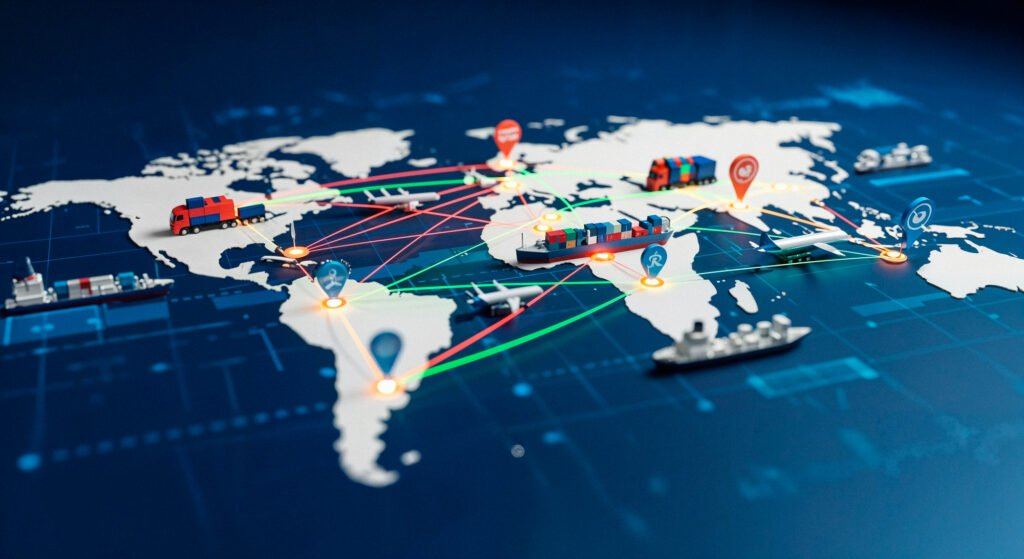
Why Does This Difference Matter?
The Export Merchant/Merchant Exporter distinction matters because it impacts your experience as a buyer.
- If you want fast, bulk shipments at competitive rates, an export merchant might be sufficient.
- But if you need quality checks, multiple product sourcing, and compliance with international rules, then a merchant exporter is the safer choice.
Manufacturers also benefit differently: while export merchants help clear stock quickly, merchant exporters help build a steady channel to reach overseas markets.
Final Thoughts
When comparing Export Merchant/Merchant Exporter, the difference comes down to the scope of service.
- Export merchants = simple buy and sell.
- Merchant exporters = complete export solutions.
If you’re a global buyer, define your needs first. Do you just want bulk goods at wholesale rates, or do you want a trusted partner who takes care of packaging, compliance, and logistics? The answer will tell you whether an export merchant or a merchant exporter is the right fit for your business.

About author


Add comment