
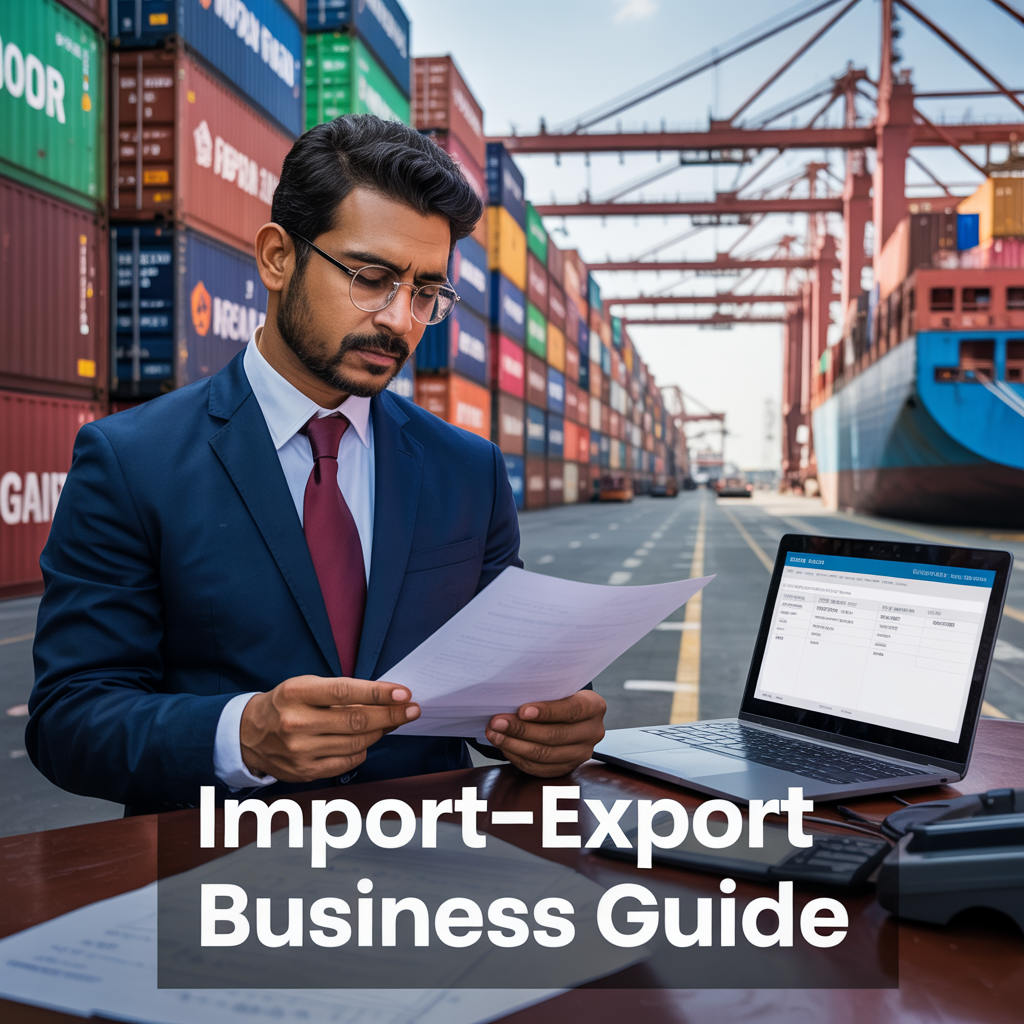
Starting an Import-Export Business in India? Here’s What You Must Know First
Ever wondered why 68% of import-export startups in India fail within their first year? It’s not just about the paperwork—it’s about jumping in without understanding the game.
Starting an import-export business in India looks deceptively simple on paper. Find products, ship them, make money. But reality hits different.
You need to navigate a maze of customs regulations, understand DGFT policies, secure proper licensing, and build international relationships that actually last. The successful traders aren’t just businesspeople—they’re part diplomat, part detective, and part fortune-teller.
I’ve spent 15 years guiding entrepreneurs through this process, and I’ll tell you exactly what separates the thrivers from the quitters.
But first, let me show you the costly mistake that almost every beginner makes—and why it’s probably happening in your business plan right now.
Legal Requirements for Import-Export Business
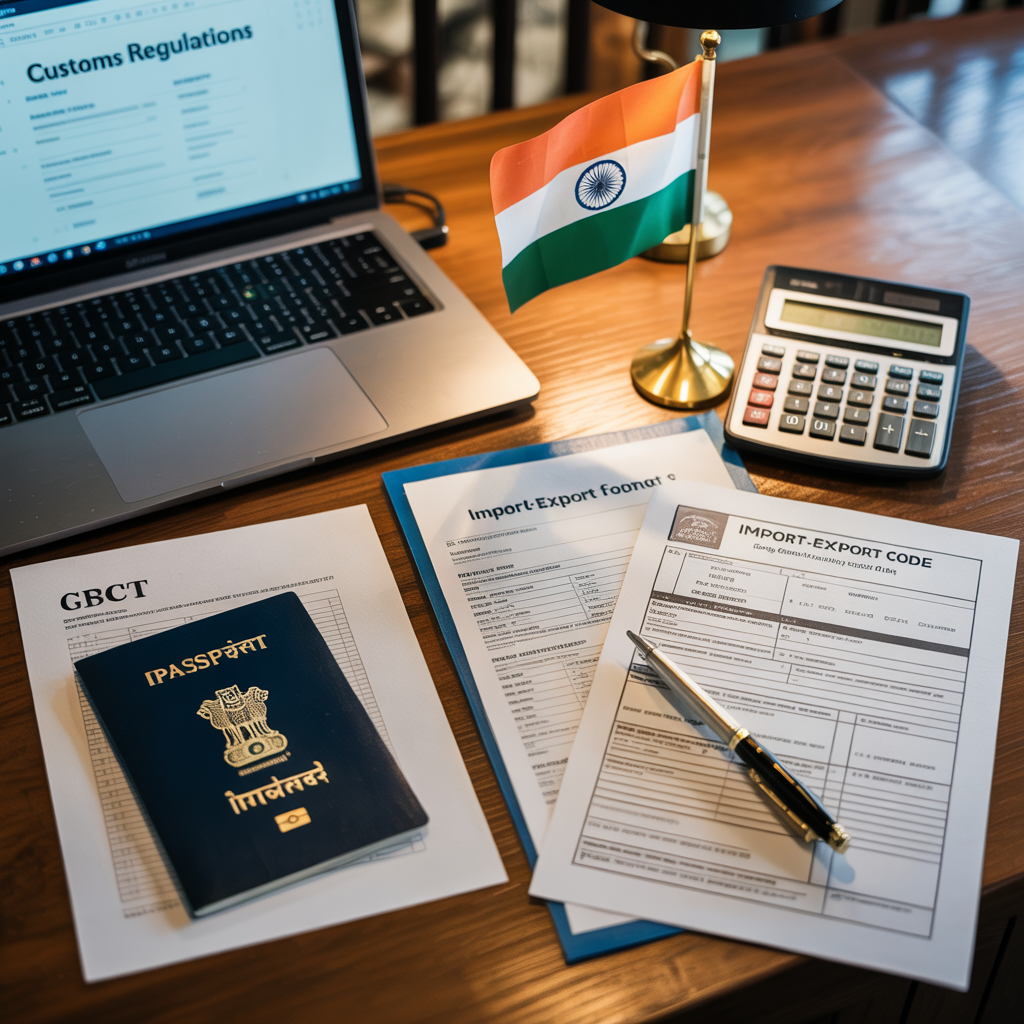
A. Essential Registrations and Licenses
Getting your import-export business off the ground means dealing with paperwork – there’s no way around it. We’ve seen many entrepreneurs struggle with this step, so we’ll break it down for you:
- Permanent Account Number (PAN) – The absolute first step before anything else
- Import Export Code (IEC) – Your business passport for international trade, issued by DGFT
- GST Registration – Mandatory for all businesses with turnover above ₹20 lakhs
- Certificate of Incorporation – If you’re setting up as a company
- RCMC – Registration cum Membership Certificate from Export Promotion Councils
The IEC deserves special attention. Without it, you simply can’t import or export goods. Application is online through the DGFT website, and the process has become much simpler in recent years.
B. Business Structure Options
The structure you choose impacts everything from taxation to liability. We’ve helped clients navigate these options for years:
Sole Proprietorship
- Easiest to set up
- Complete control over decisions
- Personal liability for business debts
Partnership Firm
- Shared investment and responsibilities
- Partnership deed required
- Partners have unlimited liability
Limited Liability Company (LLC)
- Separate legal entity
- Personal assets protected
- More credibility with international partners
One Person Company (OPC)
- Limited liability of a company
- Single person control
- Less compliance than a full-fledged company
C. Documentation Requirements
Documentation can make or break your import-export operations. We always tell our clients to master these essential documents:
- Commercial Invoice – Details of goods, quantity, and value
- Packing List – Itemized packaging details
- Bill of Lading/Airway Bill – Transport contract between shipper and carrier
- Certificate of Origin – Proves where goods were manufactured
- Letter of Credit – Payment security document
- Bill of Entry – For customs clearance of imports
- Shipping Bill – For exports clearance
Each document serves a specific purpose in the trade cycle. Missing or incorrect documentation can lead to delays, penalties, or even rejection of shipments.
D. Compliance with Foreign Trade Policy
The Foreign Trade Policy (FTP) is your bible in this business. We’ve noticed that traders who stay on top of FTP updates gain significant advantages.
Key compliance areas include:
- SCOMET regulations for restricted items
- MEIS and SEIS schemes for export incentives
- Duty exemption schemes like Advance Authorization
- Anti-dumping and safeguard duties
- Customs valuation rules
India’s FTP is updated every five years with annual revisions. The policy outlines special economic zones benefits, export promotion schemes, and duty exemption programs that can significantly boost your profit margins.
Staying compliant isn’t just about avoiding penalties—it’s about strategically using policy provisions to your advantage. We always recommend working with a consultant who specializes in FTP during your first few years of operation.
Financial Planning and Investment

A. Initial Capital Requirements
Starting an import-export business isn’t cheap, we won’t sugarcoat that. In our experience, you’ll need between ₹5-25 lakhs minimum to get things rolling properly. This covers your basic licensing, office setup, initial inventory, and those first few months when cash flow might be tight.
What eats up your capital? The big ones are:
- IEC registration: ₹500-2,000
- GST registration: ₹1,000-5,000
- Office space: ₹10,000-50,000 monthly
- Inventory purchasing: Often 40-60% of your capital
- Working capital: You’ll need a cushion for at least 3-6 months
B. Banking and Foreign Exchange Management
We’ve learned the hard way that proper forex management can make or break your import-export business. You’ll need a dedicated current account with a bank experienced in international trade. HDFC, ICICI, and SBI offer solid forex services for traders like us.
Don’t play around with currency fluctuations – they can wipe out your margins overnight. We recommend:
- Hedging through forward contracts
- Opening a multi-currency account
- Setting up SWIFT transfers for quicker payments
- Negotiating favorable exchange rates with your bank
- Using export packing credit facilities to manage cash flow
C. Taxation and Customs Duties
The tax maze is complicated, but we’ve been there and done that. Your imports face Basic Customs Duty (BCD), Integrated GST, and sometimes anti-dumping duties. Meanwhile, exports enjoy certain exemptions under schemes like RoDTEP.
Key tax considerations we always keep in mind:
- GST returns must be filed monthly/quarterly
- Import duties vary wildly by product category (0-150%)
- Duty exemption schemes like Advance Authorization can save you thousands
- IGST on imports is generally recoverable as input tax credit
- Maintaining proper documentation for all transactions is non-negotiable
D. Funding Options for New Importers and Exporters
Cash flow gaps will happen – that’s just the reality of this business. We’ve explored numerous funding channels over the years, and these work best:
- Government Schemes: ECGC loans offer competitive rates for exporters
- Bank Finance: Working capital loans, packing credit, post-shipment credit
- NBFC Options: Faster processing but higher interest rates
- Trade Finance: Purchase order financing and invoice discounting
Many of our peers started with the Mudra Loan scheme, which offers up to ₹10 lakhs without collateral. For larger operations, SIDBI provides specialized import-export financing options.
Remember, your credit history matters enormously here. We always advise maintaining pristine banking relationships from day one – it pays dividends when you need urgent financing.
Building International Business Relationships

A. Finding Reliable Suppliers and Buyers
Building an import-export business means nothing without trustworthy partners. We’ve found that identifying reliable suppliers and buyers requires both patience and due diligence.
Start by leveraging online B2B platforms like Alibaba, TradeIndia, and GlobalSources. These platforms have made our search process more efficient, but we never rely solely on online profiles.
We always verify potential partners through:
- Multiple video calls before finalizing deals
- Requesting sample products
- Checking business registration documents
- Contacting references from their existing clients
- Reviewing their social media presence and company history
Trade shows remain goldmines for us. Nothing beats meeting potential partners face-to-face, seeing their products firsthand, and gauging their professionalism in person.
B. Negotiation Strategies for International Deals
When we negotiate across borders, preparation becomes our secret weapon. We research market rates extensively before even starting discussions.
We’ve learned that successful negotiations aren’t just about driving prices down. They’re about creating win-win situations. Some strategies that work for us:
- Bundling orders to secure better rates
- Discussing longer-term commitments for preferential pricing
- Being transparent about our constraints and expectations
- Having clear fallback positions before entering negotiations
Communication style matters tremendously. We keep discussions friendly but focused, and always follow up written agreements after verbal commitments.
C. Managing Cultural Differences
Cultural awareness has saved us from countless misunderstandings. Business practices that seem universal often aren’t.
In some Asian markets, we’ve found relationship building takes precedence over immediate deal-making. Meanwhile, European partners often expect precise timelines and detailed documentation upfront.
We adapt our approach based on culture:
| Region | Communication Style | Decision Making | Relationship Building |
|---|---|---|---|
| East Asia | Indirect, contextual | Consensus-based | Long-term focused |
| Europe | Direct, explicit | Process-oriented | Contract-focused |
| Middle East | Relationship-driven | Hierarchical | Personal connections valued |
Learning a few phrases in our partners’ languages goes a long way, even if it’s just basic greetings.
D. Creating Long-term Partnerships
Transactional relationships rarely stand the test of time. We focus on building partnerships that weather market fluctuations and supply chain disruptions.
Our approach to nurturing partnerships includes:
- Regular check-ins beyond order discussions
- Sharing market insights that might benefit them
- Being flexible when challenges arise
- Celebrating successes together
- Visiting their facilities when possible
Trust develops through consistent delivery on promises. When issues inevitably arise, we address them promptly and transparently.
We’ve found that our longest-standing international relationships started small but grew because both sides prioritized mutual growth over short-term gains.
Logistics and Operations Management
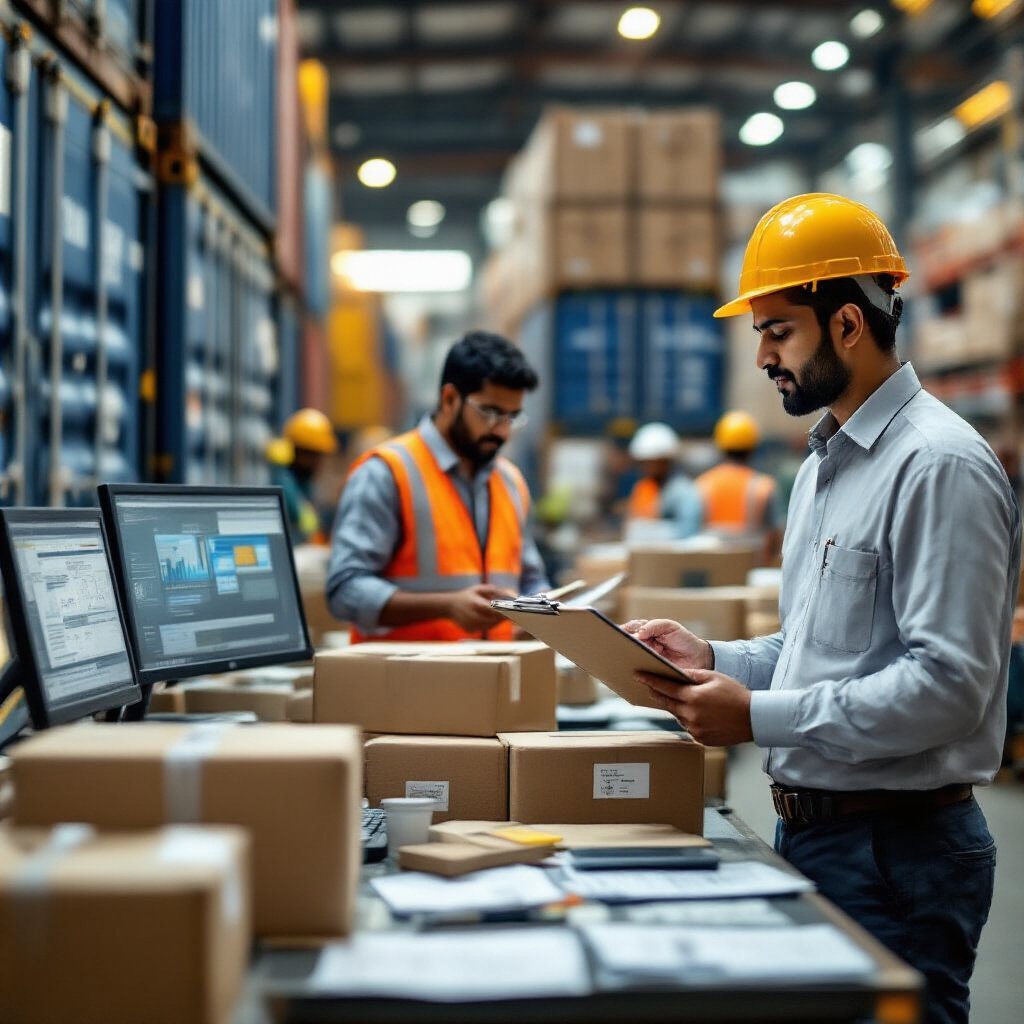
A. Transportation Methods and Costs
Shipping your goods internationally isn’t just about getting them from point A to B – it’s about finding the right balance between cost, speed, and reliability. We’ve found that most import-export businesses in India rely on these main transportation methods:
- Sea freight: Perfect for bulky shipments where time isn’t critical. It’s our go-to for cost savings on large volumes.
- Air freight: When speed matters more than cost. We use this for high-value, low-weight items or urgent deliveries.
- Road transport: Essential for neighboring countries like Nepal, Bhutan, and Bangladesh.
- Rail freight: An emerging option we’re seeing more businesses use for inland transportation.
Cost comparison? Here’s what we typically see:
| Transport Method | Cost Level | Transit Time | Best For |
|---|---|---|---|
| Sea freight | Low | 15-60 days | Bulk, non-urgent cargo |
| Air freight | High | 1-5 days | Urgent, high-value items |
| Road transport | Medium | 3-15 days | Regional trade |
| Rail freight | Medium-Low | 10-25 days | Heavy, inland cargo |
Remember to factor in fuel surcharges, handling fees, and seasonal rate fluctuations when budgeting. We’ve seen too many beginners get caught off guard by these hidden costs!
B. Warehousing Solutions
Finding the right storage for your goods can make or break your import-export business. In our experience, these warehousing options work best in India:
Bonded warehouses are game-changers for importers. We store goods here without paying duties until they’re released for domestic sale. This helps manage cash flow tremendously.
Free Trade Warehousing Zones (FTWZs) offer excellent tax benefits and are strategically located near major ports in Mumbai, Chennai, and Kandla.
Third-party logistics (3PL) providers handle everything from storage to inventory management. We’ve found them invaluable when scaling operations without heavy capital investment.
Cold storage facilities are non-negotiable for perishable goods like food and pharmaceuticals. The best ones we’ve worked with offer temperature monitoring and backup power systems.
When selecting a warehouse, we always check:
- Proximity to ports/transportation hubs
- Security systems
- Inventory management technology
- Handling equipment availability
- Cost structure (fixed vs. variable)
Pro tip: Don’t just look at the per-square-foot cost. Factor in handling fees, minimum charges, and inventory management costs for true comparison.
C. Customs Clearance Procedures
Navigating customs is often the most frustrating part of the import-export business. We’ve been there, and honestly, it’s not as scary as it seems once you understand the process.
The basic customs clearance flow in India works like this:
- Bill of Entry filing – We submit this document detailing our imported goods through the ICEGATE portal
- Assessment – Customs officials verify our declaration and calculate duties
- Examination – Physical inspection of goods (not always required)
- Duty payment – We pay through e-payment gateways
- Out of charge – Final release of goods
For exports, the process mirrors this with a Shipping Bill instead of a Bill of Entry.
The documents we always keep ready:
- Commercial invoice
- Packing list
- Bill of lading/Airway bill
- Certificate of origin
- Import license (for restricted items)
- Insurance certificate
Want to avoid delays? We’ve learned to double-check HS codes, ensure all documents match exactly, and build relationships with reliable Customs House Agents (CHAs). They’re worth every penny when you’re facing a complex clearance issue.
D. Insurance and Risk Management
The brutal truth about international trade? Things go wrong. Shipments get damaged, stolen, or lost. Payments fall through. Political situations change overnight.
That’s why we never skip on comprehensive insurance coverage:
Marine cargo insurance covers physical damage to goods during transit. We typically opt for “all-risk” policies rather than “named perils” for broader protection.
Credit insurance protects against non-payment by foreign buyers. This has saved our business more than once when dealing with new markets.
Foreign exchange risk insurance helps shield us from currency fluctuations. For long-term contracts, we often use forward contracts to lock in exchange rates.
Beyond insurance, our risk management strategy includes:
- Diversifying suppliers and buyers across multiple countries
- Using secure payment methods like Letters of Credit
- Building force majeure clauses into contracts
- Maintaining buffer inventory for critical items
- Regular monitoring of political and economic conditions in partner countries
One risk many beginners overlook? Intellectual property theft. We register our trademarks in every market we enter before shipping the first container.
E. Technology Tools for Import-Export Business
The days of managing international trade with spreadsheets and phone calls are long gone. We’ve boosted our efficiency dramatically with these tech tools:
Enterprise Resource Planning (ERP) systems specifically designed for import-export businesses help us track everything from inventory to customs documentation. SAP and Oracle offer robust solutions, but we’ve found mid-market options like Zoho Inventory work well for growing businesses.
Customs compliance software like EXIM Pulse and Export Genius automatically checks regulatory requirements and generates compliant documentation.
Logistics tracking platforms give us real-time visibility of shipments. We love how CargoWise and Freightos let us monitor our goods from factory floor to customer door.
Document management systems help organize the mountain of paperwork. Cloud-based solutions ensure we can access critical documents anywhere, anytime.
Market intelligence tools like Trade Map and Export Potential Map help us identify new opportunities and track competitor activities.
The tech investment that’s paid off most? Mobile apps that let us approve documents, check shipment status, and communicate with partners while on the move. This flexibility has helped us close deals faster and respond to issues before they become crises.
Common Challenges and Solutions

A. Navigating Regulatory Changes
The import-export landscape in India changes faster than we can keep up sometimes. Every few months, there’s a new regulation or policy update that throws a wrench in our operations. We’ve seen businesses scramble when the government suddenly restricts certain imports or changes documentation requirements.
Our approach? We maintain close relationships with customs consultants who keep their ears to the ground. They alert us about upcoming changes before they hit the official gazette. We’ve also joined trade associations that lobby for reasonable implementation timelines when new regulations come up.
One practical tip we’ve found useful is creating regulatory compliance checklists for each product category we deal with. When changes happen, we update these checklists immediately and train our team on the new requirements.
B. Managing Currency Fluctuations
Currency volatility can turn a profitable deal into a loss overnight. We learned this lesson the hard way back in 2018 when the rupee took an unexpected dive.
Now, we hedge our currency risks through forward contracts for large transactions. For regular business, we maintain accounts in multiple currencies and time our conversions strategically.
Another tactic that’s worked well for us is building currency fluctuation buffers into our pricing models. We typically add a 2-5% margin depending on the currency pair’s historical volatility.
C. Quality Control Measures
Poor quality shipments can destroy your reputation faster than anything else in this business. We once had to recall an entire shipment of food products because we skipped our usual inspection process to meet a deadline.
Our current approach includes:
- Pre-shipment inspections by third-party agencies
- Clear quality specifications in all contracts
- Random sampling protocols at multiple stages
- Detailed photographic evidence before shipment
- Supplier factory audits for new partnerships
We’ve found that investing 3-5% of the order value in quality control saves us at least 15-20% in potential returns and reputation damage.
D. Dealing with Payment Delays and Defaults
Cash flow issues can sink even the most promising import-export businesses. We’ve had clients who stretched 30-day payment terms to 90+ days, putting immense pressure on our operations.
To combat this, we’ve implemented a multi-layered approach:
- Secured payment methods like letters of credit for new clients
- Partial advance payments (typically 30-50%)
- Early payment discounts of 2-3%
- Clear credit terms in contracts with penalty clauses
- Credit insurance for large orders
We also run thorough credit checks before engaging with new partners. This might seem excessive, but after dealing with two major payment defaults that nearly crippled our business, we’d rather lose a deal than lose our money.

Starting an import-export business in India requires careful planning and strategic execution. From understanding the legal framework and obtaining necessary licenses to conducting thorough market research for selecting viable products, every step demands attention to detail. Proper financial planning, including startup costs and working capital management, forms the backbone of a sustainable import-export venture, while building strong international relationships opens doors to global opportunities.
The success of your import-export business ultimately depends on efficient logistics management and your ability to navigate common challenges like fluctuating exchange rates and cross-cultural communication barriers. By addressing these key aspects with diligence and foresight, you can establish a thriving import-export business that capitalizes on India’s growing position in international trade. Take the first step today by researching your target market and understanding the regulatory requirements that will shape your entrepreneurial journey.


About author



Add comment